
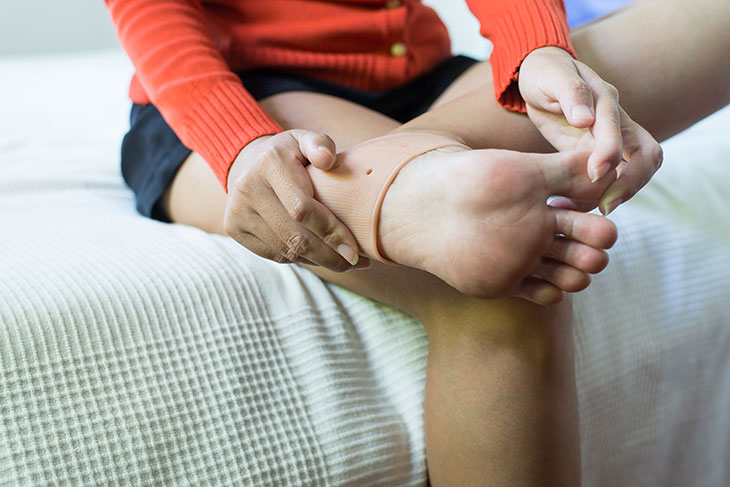
Plantar fasciitis causes the most heel pain among adults. Plantar fasciitis affects about 1/10 of the population, and more women are affected than men. Plantar fasciitis affects more women than men and is one of the common complaints that physicians at UC Davis Sports Medicine see.
Plantar fasciitis causes
Plantar fascia strain is the cause of this disorder. The thick, weblike tissue from the heel to the toes under the foot’s skin is called the plantar fascia.
Plantar fasciitis patients experience pain on the heel or in the arch. The first step in the morning can be the most painful.
Imagine it as a rubberband from your toes to your heels. When you sleep, the band can be loose. Your first step will be to pull on it. This is a painful situation.
Risk factors for plantar fasciitis
Plantar fasciitis is not only a problem for runners or other athletes. Plantar fasciitis can also affect people who work on hard surfaces. This includes teachers, nurses, and mail carriers.
The other risk factors are obesity, inactivity, low or high arches, and inadequate flexibility of the Achilles tendon.
Patients who are starting an exercise program should be patient. Stretching and going slowly will help you avoid plantar fasciitis.
Treatments for plantar fasciitis
Those who treat their plantar fasciitis will usually see improvement in around a year. Stretching of the lower leg muscles, focusing on the calf muscle, can help you improve your plantar fasciitis. It would be best to look for shoes with good arch support.
Cross-training, such as biking or swimming, can reduce foot pain for those with plantar fasciitis. The fascia can be relieved by using a -specific taping technique. Runners should also replace their shoes frequently to maintain good cushioning.
Our doctors recommend “RICE” after a hard day of work or at the gym:
- Rest
- Ice
- Compression
- Elevate
Consider a night brace and try to stretch before you go to bed. You can also use a frozen 16 oz. You can also roll a 16 oz.
There are options available to improve your quality of life if plantar fasciitis continues or worsens. Plantar fasciitis patients should undergo physical therapy. Other options are shockwave therapy, steroid injections, or platelet-rich Plasma.
Confirm that you have plantar fasciitis.
Plantar fasciitis can be expected, but patients should confirm it. Nerve injuries like tarsal tube syndrome, stress fractures, or autoimmune disorders can cause similar foot pain.
Make an appointment with the UC Davis Sports Medicine Clinic to receive a diagnosis and learn about your treatment options. You can work with a professional on a particular issue to ensure you are treating it properly.