
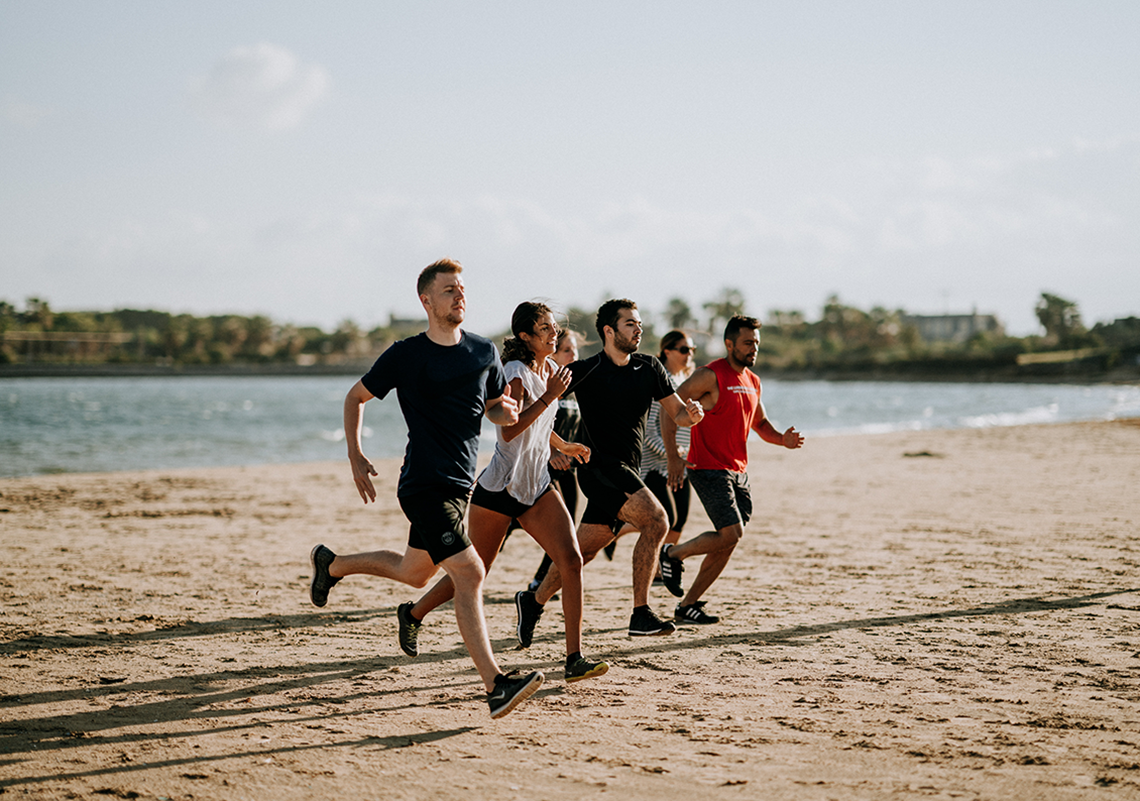
Exercise can be dangerous in hot weather. Know the signs and symptoms of heat-related illness.
From our Sports Medicine Department, here are some tips on how to exercise safely and beat the heat.
Exercise in cooler periods of the day
Schedule your workouts for the more relaxed morning or evening hours. Exercise is best done before 9 am or after 7 pm. Avoid exercising outdoors if temperatures are above 90 degrees.
Regular time-outs
It is essential to schedule a minimum of 10 minutes for every hour of exercise. This is particularly true for children, who may need to be made aware that they should take breaks and drink water. Children, older people, and less fit people require more rest. Everyone should take it easy more when the weather is hot.
Stay hydrated by drinking water.
Drink plenty of water before any outdoor activity. Kids need to learn how important it is to stay hydrated, so they drink lots of water.
At least two hours before a competition, athletes should consume two large glasses of fluids. Sports drinks can replenish electrolytes and carbohydrates. Fruit juices and water are both okay. Avoid caffeine and alcohol, as they can cause dehydration.
Drink fluids while exercising, if possible. Aim to drink 5-10 ounces of water every 15 minutes. It’s better to use sports drinks than water if you exercise for several hours. Sports drinks will replace salt and provide energy.
Dress for the heat
Wear loose, light-colored clothes on hot days. Hats will also keep the sun away from your head, face, and neck.
Heat-related problems affect football players more than runners wearing shorts and tank tops. On hot days, coaches and athletes must know this and increase fluid intake and rest time.
On a hot, humid day, spectators can also get tired and hot sitting in the bleachers. Wear a wide-brimmed, light-colored hat with loose clothing in cotton or other breathable fabrics. To prevent sunburn, apply sunscreen to exposed areas at least every couple of hours.
Heat-related illnesses should be treated immediately upon onset.
Heat-related illnesses can quickly become a medical emergency. Acting on the first warning is crucial. Heat-related diseases include heat stroke, heat exhaustion, and muscle cramps.
Heat exhaustion, heat stroke, and muscle cramps are common in people who work hard or exercise in hot weather. However, they can affect anyone. Heat-related illnesses are more common in certain groups.
- Older people
- Children’s Books
- Overweight people
- People with heart conditions or those taking diuretics.
Muscle cramps are a painful form of heat sickness. They usually occur in the legs and abdomen due to excessive sweating. Rehydration, stretching, and resting can help to relieve cramps. In hot weather, drinking fruit juices with a pinch of added salt or sports beverages can help to prevent salt depletion.
Heat stroke is a stage before heat exhaustion. The following symptoms usually accompany it.
- excessive tiredness
- Weak feeling
- nausea
- Possible dizziness or passing-out briefly
- Cool and clammy skin
- Face flushed, pale, or pallid
You should have them sit or lie under a tree if you see any of these symptoms. Try to cool the person down by giving them something to drink or sponging them with cold water. This could involve removing extra clothing, soaking the person with cold water, and placing them near a fan.
Seek medical attention if the symptoms do not improve or if they worsen.
Heatstroke is a dangerous condition. The body stops sweating, and internal temperatures rise. The skin is dehydrated and warm. The person may become confused, agitated and experience blurred or double vision. These symptoms are a sign of a dangerous condition.